Discover the Secret to the Best Fluffy Greek Pita Bread for Every Craving
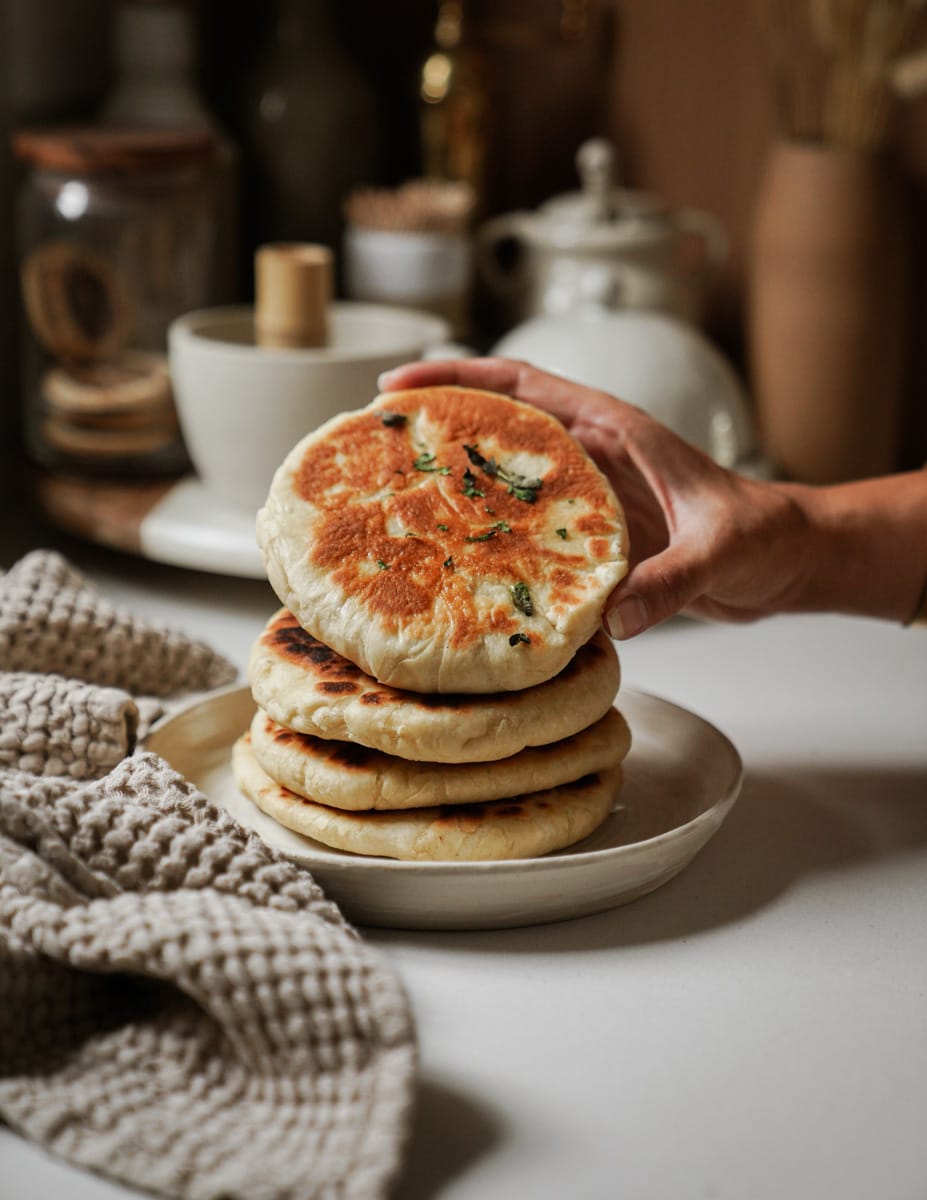
Imagine sinking your teeth into a warm, pillowy piece of bread, still fragrant from the pan. Now imagine that bread is a homemade fluffy Greek pita bread, so soft and pliable it practically melts in your mouth. This isn't the dry, stiff pita you might find pre-packaged at the grocery store; this is a revelation – a game-changer for your dips, your wraps, and every scoopable delight. Once you experience the unparalleled freshness and texture of a truly authentic homemade Greek pita, you’ll never look back. This comprehensive guide is designed to empower you to create the most incredible fluffy Greek pita bread right in your own kitchen. Forget the endless search for the perfect store-bought alternative; with just a few pantry staples and a little love, you'll master a recipe that’s perfect for dipping into creamy tzatziki, scooping up robust hummus, or wrapping around savory souvlaki. It's not just a recipe; it's an invitation to elevate your culinary experience, providing endless possibilities for delicious meals and memorable gatherings.Why Homemade Fluffy Greek Pita Bread Reigns Supreme
The difference between homemade and store-bought pita is like night and day. Mass-produced pitas are often thin, lacking in flavor, and have a tendency to crack or tear when folded. They lack the *life* of a fresh, tender loaf. Our recipe for fluffy Greek pita bread promises a distinctly different experience: a thick, pillowy texture with a slight chew, and a beautiful golden-brown exterior. The aroma alone as the dough rises and cooks is enough to tell you you're in for a treat. Beyond the undeniable taste and texture, making pita at home gives you control over the ingredients. This recipe uses simple, wholesome components, many of which are likely already in your pantry. Take, for instance, olive oil – a staple in Greek cuisine and a nutritional powerhouse. It’s not just for flavor; extra virgin olive oil is rich in heart-healthy monounsaturated fats and antioxidants, contributing both to the pita's tenderness and its health profile. Similarly, whole milk provides essential vitamins, calcium, and protein, adding richness and a delicate crumb to your pitas. When you pour with your heart, as the saying goes, you’re also nourishing your body!The Essential Ingredients for Unbeatable Fluffiness
Achieving that signature light and airy texture in your fluffy Greek pita bread hinges on understanding the role of each ingredient. Quality matters, and a few key choices will make all the difference.- Active Dry Yeast: This is the engine of your pita, responsible for its rise and signature fluffiness. Ensure your yeast is fresh; old yeast won't activate properly, leading to dense, flat pitas.
- Warm Water & Whole Milk: The perfect temperature for activating yeast is crucial. The liquid mixture should be very warm to the touch – akin to a baby’s bath – but not so hot that you can't comfortably hold your finger in it for a few seconds. Whole milk adds tenderness, richness, and a lovely golden hue to the finished bread, thanks to its fat and sugar content.
- Granulated Sugar: A small amount of sugar acts as food for the yeast, helping it activate quickly and robustly. It also contributes to the pita's golden crust.
- Extra Virgin Olive Oil: Essential for both flavor and texture. Olive oil makes the dough incredibly soft and pliable, giving the pita its characteristic smooth texture and rich Mediterranean taste. Its healthy fats also contribute to a longer shelf life (if your pitas last that long!).
- Salt: While often overlooked, salt is vital for flavor balance and also helps control the yeast activity, ensuring a steady, even rise.
- All-Purpose Flour: The type of flour significantly impacts the final texture. We highly recommend using a high-quality unbleached all-purpose flour, such as King Arthur. Its consistent protein content provides the perfect structural balance – strong enough to hold heavy fillings, yet delicate enough for that tender, pillowy crumb. Lower quality flours can sometimes lead to a gummy texture or a pita that tears too easily.
Crafting Your Perfect Fluffy Greek Pita: A Step-by-Step Guide
Making fluffy Greek pita bread is a rewarding process. Follow these steps carefully, and you’ll be amazed at the results.Activating Your Yeast: The Foundation of Fluff
In a medium-sized mixing bowl, combine your warm water and milk. The temperature is key here – aim for very warm, around 105-115°F (40-46°C). Whisk in the sugar, then sprinkle the active dry yeast over the top. Give it a gentle stir and let it rest for about 5-10 minutes. You're looking for a frothy, bubbly layer to form on the surface – this is your visual confirmation that your yeast is alive and ready to work its magic. If you don't see froth, your water might have been too hot or too cold, or your yeast may be old. It's best to start again with fresh yeast and correct water temperature.
Building the Dough: Kneading to Perfection
Once your yeast is active, whisk in the olive oil and salt. Now, gradually add the all-purpose flour, stirring with a wooden spoon until a shaggy, somewhat sticky dough forms. This initial mixing is crucial to hydrate the flour. Transfer the dough to a lightly floured work surface. Knead the dough vigorously for about 10 minutes. This kneading process develops the gluten, transforming the sticky, shaggy mass into a smooth, elastic, and supple ball. Proper kneading is what gives your fluffy Greek pita bread its incredible chew and structure.
The Double Rise: Patience for Pillowy Perfection
Place your kneaded dough back into the mixing bowl, drizzle with a little olive oil, and turn to coat. Cover the bowl tightly with plastic wrap and place it in a warm, draft-free spot. Let the dough rise until it has doubled in size, which typically takes about 1 ½ hours, depending on the warmth of your kitchen. After the first rise, gently punch down the dough to release the air. Transfer it to a lightly floured surface and form it into a circle. Divide the dough into 6 equal pieces. If the dough is a bit sticky, feel free to lightly wet your hands with water or dust them with flour. Form each piece into a smooth ball and place them on a parchment-lined baking sheet. Cover these dough balls with a clean tea towel and let them rest for another 1 hour. This second rise, or proofing, relaxes the gluten, making the dough much easier to roll out and contributing to its eventual fluffiness.
For more detailed insights into perfecting your dough, check out our Easy Guide: How to Make Pillowy Fluffy Greek Pita Bread.
The Sizzle and Puff: Cooking Your Pitas to Golden Glory
After the second rise, lightly flour your work surface and rolling pin. Roll each dough ball into a 5-inch wide circle, about ¼ inch thick. Don't roll them too thin! Heat a heavy-bottomed skillet or cast-iron pan over high heat for 3-4 minutes until it's very hot. Reduce the heat to medium. Place one rolled-out dough round in the hot pan. Cook for 30 seconds, then flip. Cook for another 30 seconds. At this point, you should start to see some bubbles forming. Drizzle about 1 tablespoon of olive oil over the pita, then flip it again. Drizzle oil on the other side. Continue cooking for another 5 minutes, flipping the pita every minute. During this time, the pita should puff up beautifully and develop a deep golden-brown color. This puffing creates the classic pocket associated with pita. Repeat this process until all 6 pitas are cooked. Serve them immediately, topped with fresh oregano, a drizzle of olive oil, and your favorite Greek dips like our best-ever tzatziki!
Beyond the Basics: Elevating Your Fluffy Greek Pita Experience
Your freshly made fluffy Greek pita bread is incredibly versatile. While absolutely divine on its own, here are a few ways to enjoy and enhance it:- Dipping: The ultimate companion for creamy Greek dips like tzatziki, hummus, melitzanosalata (eggplant dip), or skordalia (garlic potato dip).
- Scooping: Use it to scoop up hearty stews, fresh salads (like a Greek village salad), or even scrambled eggs for a delightful breakfast wrap.
- Wraps: Its robust yet flexible texture makes it perfect for stuffing with grilled chicken or pork souvlaki, gyros, falafel, or even a simple fresh veggie and feta combination.
- Flavor Variations: Experiment by kneading in a pinch of dried oregano, garlic powder, or even a tablespoon of za'atar into the dough for an aromatic twist. You could also try a touch of whole wheat flour for a nuttier flavor, though this might require slight adjustments to liquid for the desired consistency.
